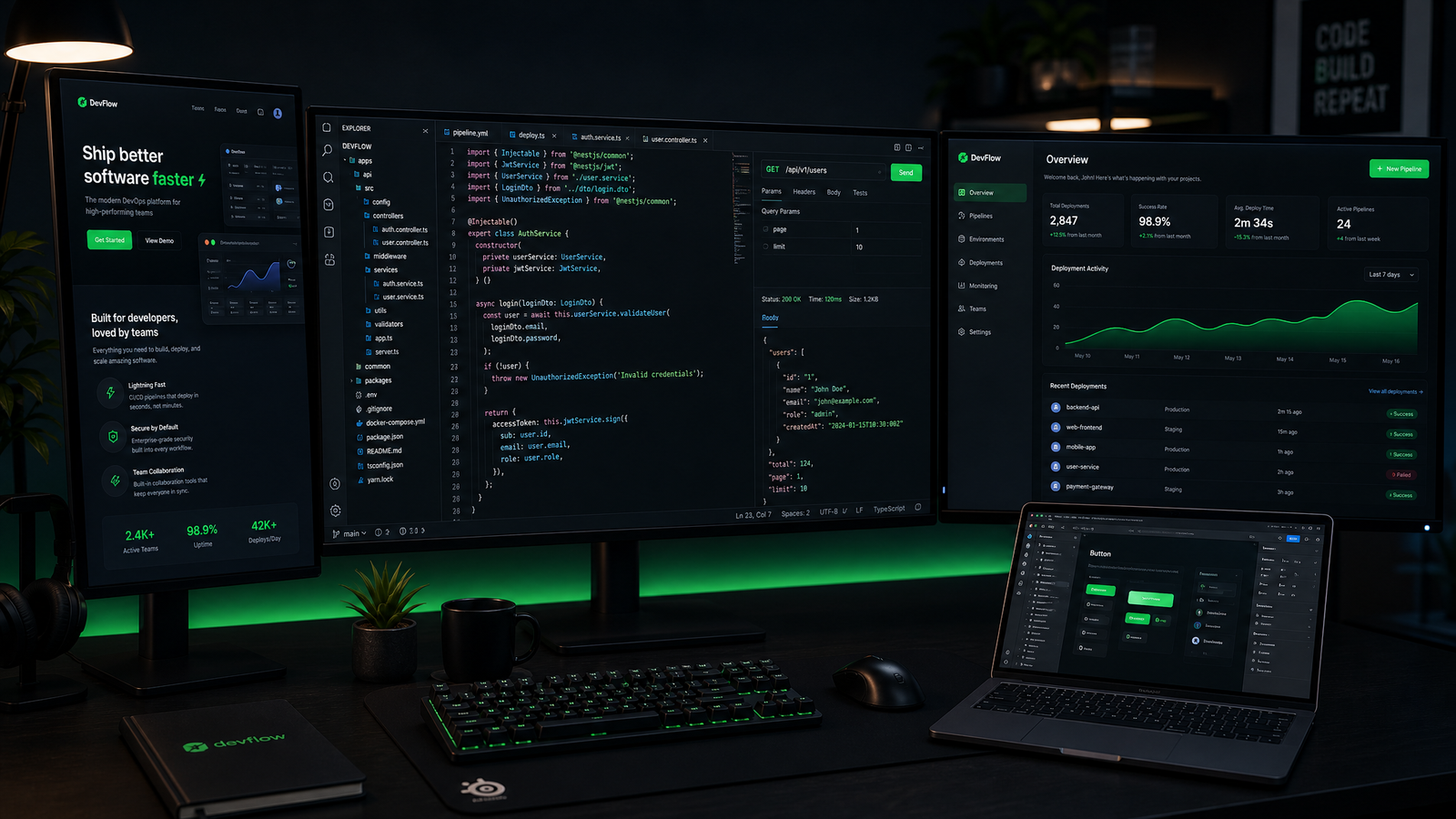
Custom Web Applications vs Off-the-Shelf Software: Making the Right Choice
Every growing business eventually faces this dilemma: do we subscribe to another SaaS platform that almost does what we need, or do we invest in a custom-built solution that does exactly what we need? The answer depends on your specific situation, but understanding the trade-offs will help you make a more informed decision.
The Case for Off-the-Shelf Software
SaaS platforms like Salesforce, HubSpot, Monday.com, and countless others have democratised access to powerful business tools. Their advantages are clear:
- Immediate availability — sign up and start using it today
- Lower upfront cost — monthly subscriptions spread the expense
- Regular updates — the vendor handles improvements and security
- Community and support — large user bases mean plenty of resources
For standard, well-defined problems (email marketing, basic CRM, project management), off-the-shelf tools are often the right choice. There’s no need to reinvent the wheel.
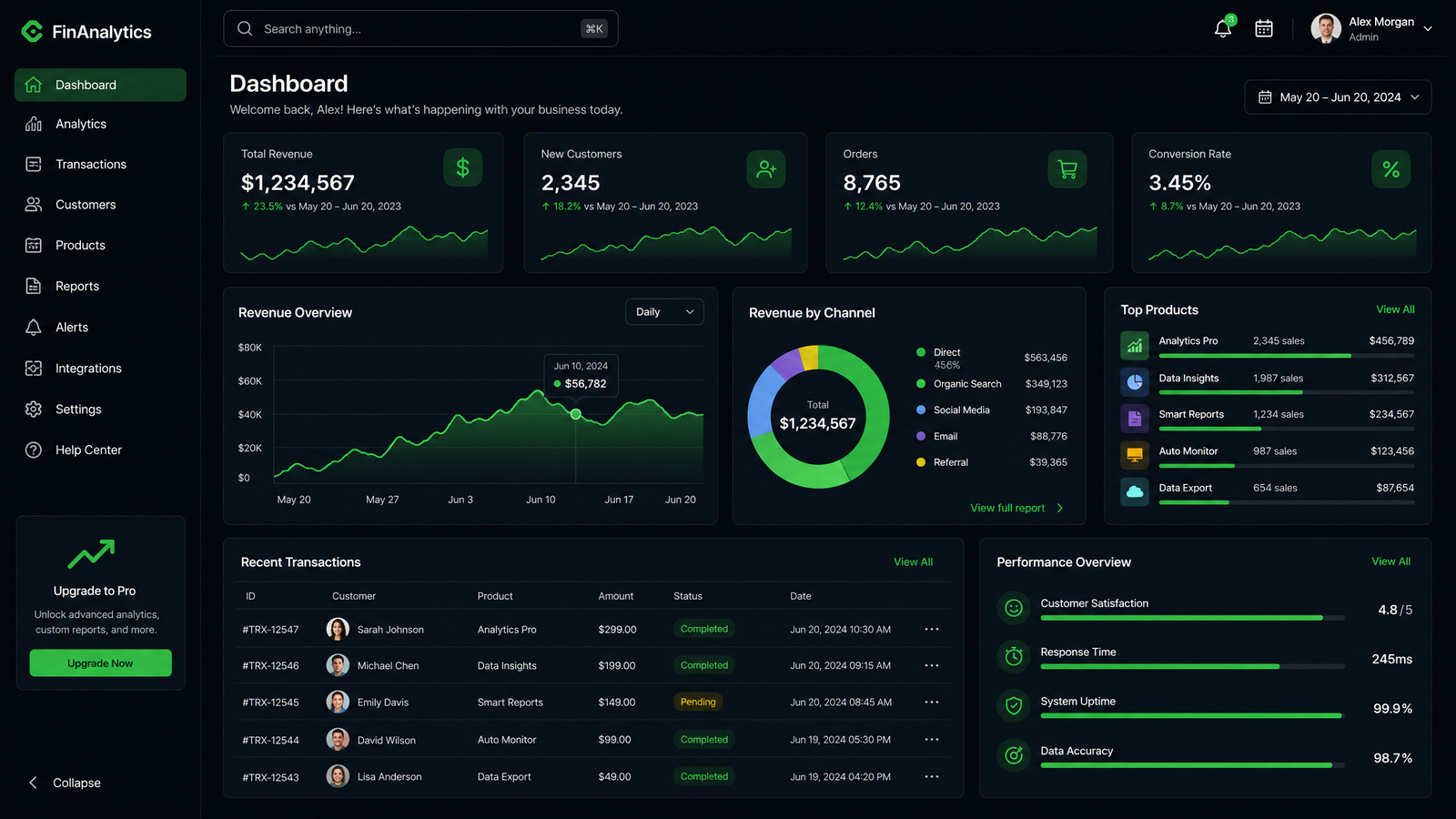
When Custom-Built Wins
However, there are scenarios where custom development delivers dramatically better results:
Your Workflow Is Unique
If your business process doesn’t fit neatly into a template, you’ll spend more time working around the tool’s limitations than actually being productive. Custom applications are built around your workflow, not the other way around.
You’re Paying for 10 Tools When You Need 1
Many businesses end up subscribing to multiple SaaS platforms (one for CRM, one for invoicing, one for project management, one for reporting) and then spending even more on integrations to connect them. A single custom application can consolidate all these functions into one unified system, often at a lower total cost of ownership.
Data Ownership and Security Matter
With SaaS, your data lives on someone else’s servers under their terms. A custom application gives you full control over where data is stored, how it’s secured, and who has access to it — critical for regulated industries like healthcare, finance, and legal.
Competitive Advantage
If your software is a core part of your value proposition (a client portal, a marketplace, a specialised management tool), using the same platform as your competitors means you’re competing on execution alone. A custom solution lets you build features and experiences that set you apart.
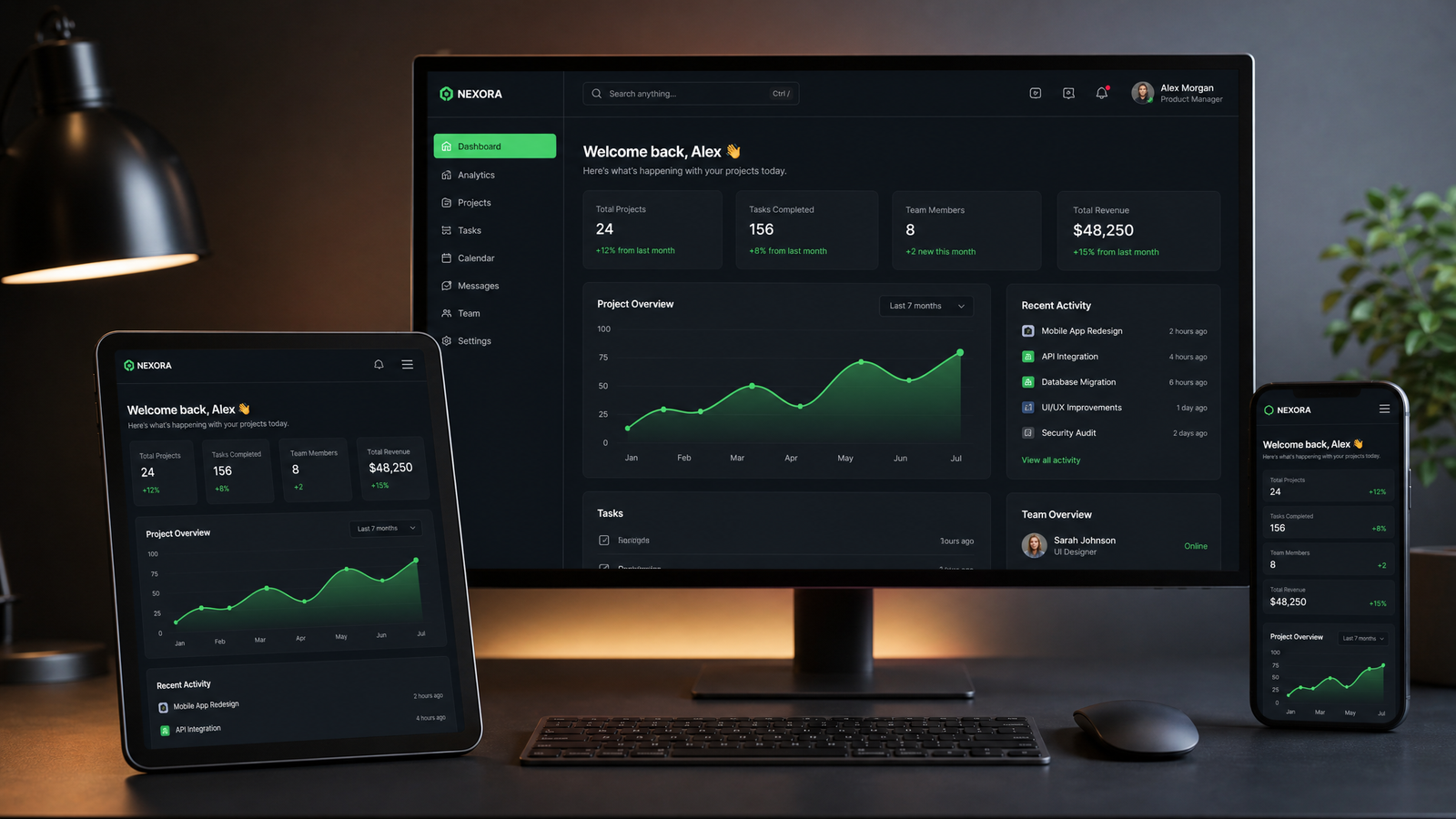
The Modern Approach: Hybrid Solutions
The smartest businesses often take a hybrid approach. They use best-in-class SaaS tools where generic functionality is sufficient, and build custom applications for their unique competitive advantages. The key is connecting everything through intelligent automation — which is where platforms like n8n shine.
For example, you might use Stripe for payments, Google Workspace for email, and Xero for accounting — but build a custom client dashboard, a bespoke quoting system, and an automated onboarding workflow that ties everything together seamlessly.
Making the Decision
Ask yourself these questions:
- Does an existing tool solve 80%+ of our needs without major workarounds?
- Are we spending more on subscriptions and integrations than a custom build would cost?
- Is our workflow genuinely unique, or are we overcomplicating things?
- Do we need full data control for compliance or security reasons?
- Will this software be a competitive differentiator?
At Yubexo, we help businesses navigate this decision every day. Sometimes our recommendation is to stick with off-the-shelf tools. But when a custom solution is the right move, we design and build it to integrate seamlessly with your existing tech stack.
Ready to Automate Your Business?
Let’s discuss how AI automation and custom development can transform your operations.
Get in Touch